
The energy you make at noon, used when you need it.
A solar system without storage produces most of its power exactly when nobody is home. A battery moves that energy to the evening, when you actually use it.
You produce at noon. You consume in the evening.
In a typical household, production peaks between 11:00 and 15:00 — when everyone is at work or at school. Consumption peaks after 18:00: cooking, laundry, heating, lighting.
Without storage, the midday surplus goes to the grid and you buy energy back in the evening. With storage, that surplus stays with you and covers the hours when you need it.
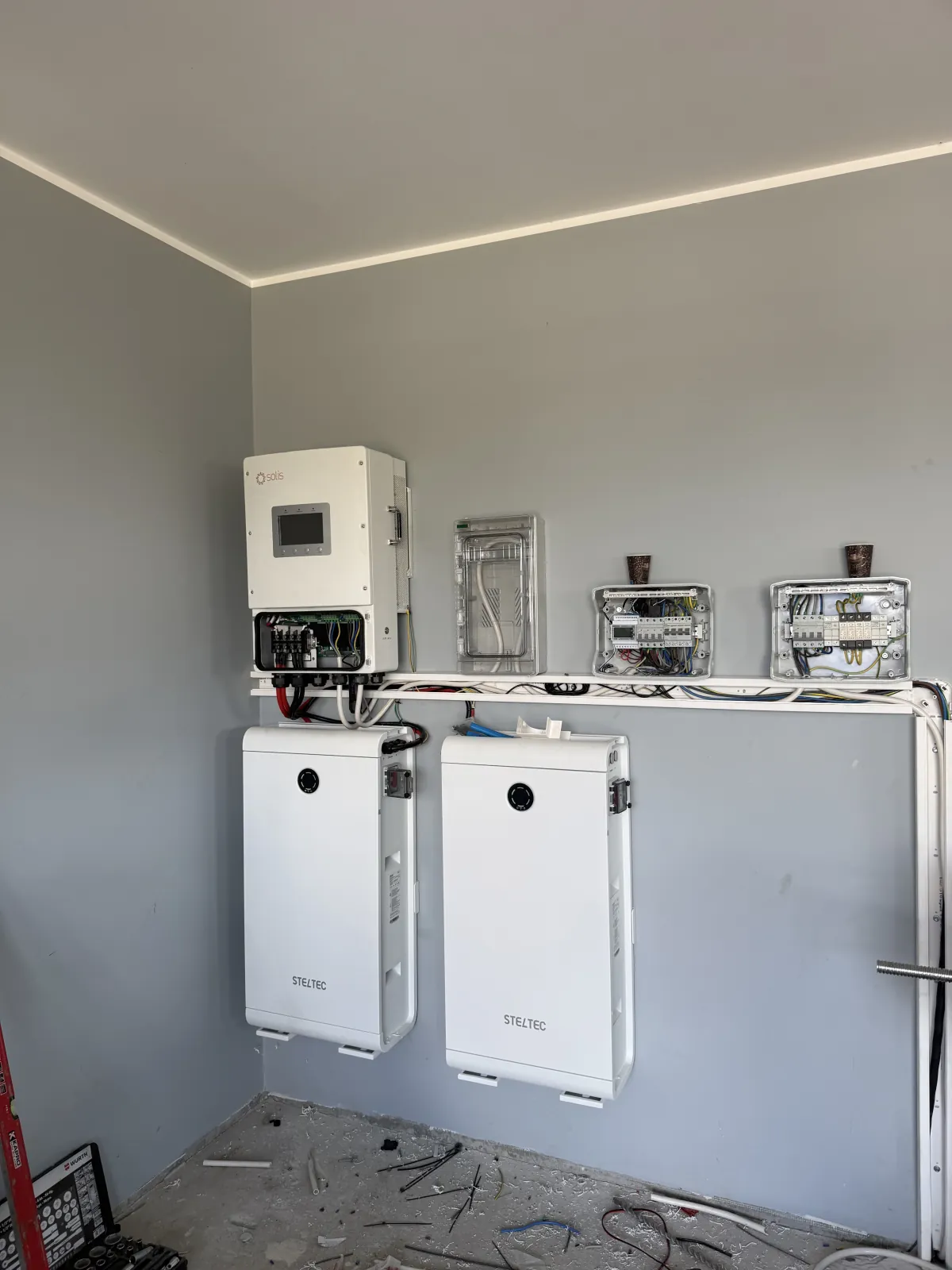
What we check before recommending a battery.
A badly sized battery is wasted money. We don't quote a price before we know four things.
Your consumption profile
How much you use and, more importantly, when. A house with a heat pump needs a different capacity from one that only consumes in the evening.
The inverter you already have
If you have an existing installation, we check whether your inverter supports a battery or whether a hybrid inverter is needed. That's the difference between a simple addition and a reconfiguration.
Space and mounting conditions
Batteries have requirements for temperature, ventilation and access. We check on site, not from a photo.
What you want to achieve
Cutting your bill and keeping power during an outage are two different goals that lead to different configurations. We settle this at the start.
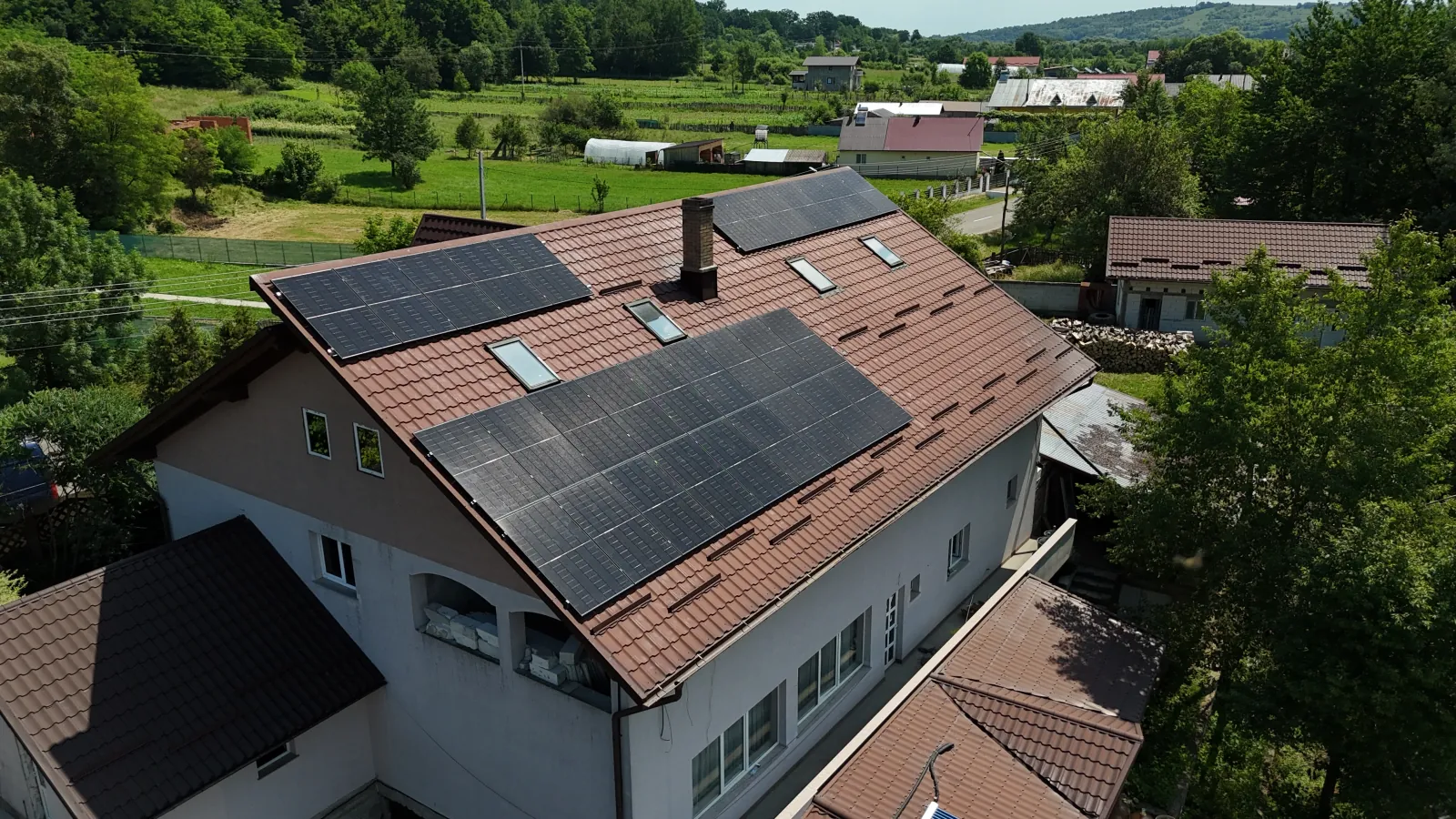
What people ask us about storage.
Can I add a battery to a system I already have?
Usually yes. It depends on your existing inverter: some models accept a battery directly, others need a hybrid inverter or a separate one dedicated to storage. We check your model before giving you an option.
How long does a battery last overnight?
It depends on the battery's capacity and on what you consume during those hours. The correct calculation uses your real consumption, not a general average — which is why we ask for your consumption data before quoting.
Will I have power if the grid goes down?
Only if the system is configured for it. Backup during an outage needs an inverter with a backup function and a proper separation of the circuits you want to keep powered. This is decided at the design stage.
How long does installing a battery take?
For an addition to an existing installation, usually one to two days. If the inverter has to be replaced or the electrical panel modified, it can take longer.